Rodent Control Best Practices for Homes and Businesses
Rodents are rarely just a nuisance. In a house, a mouse behind the pantry wall can contaminate food, chew wiring, and keep people awake for weeks with scratching that seems to move from room to room. In a commercial building, rats can damage inventory, trigger failed inspections, and create a reputation problem that lingers longer than the infestation itself. The real challenge is that rodents are adaptable, patient, and far better at exploiting small building flaws than most owners expect.
Good rodent control is not built around a single trap or a one-time service visit. It depends on understanding why rodents entered, what is sustaining them, and how the structure itself is helping them survive. That is true whether the property is a single-family home, a restaurant, a warehouse, a medical office, or a mixed-use retail site. The details change, but the logic stays the same: remove access, remove food and water, reduce shelter, monitor activity, and respond early.
What separates effective rodent control from the sort of short-term fix that fails a month later is consistency. A few good decisions, repeated over time, do more than expensive panic measures applied after activity gets heavy. That is why experienced pest control professionals often spend as much time on inspection and exclusion as they do on traps and bait placements.
Why rodents thrive in modern buildings
Many people picture rodents as a problem limited to old, neglected properties. In practice, they show up everywhere. New construction can have pipe gaps, utility penetrations, and rushed finish work that leaves hidden entry points. Older buildings often have settled foundations, worn sweeps, and decades of patchwork repairs that create ideal routes into walls, attics, crawl spaces, and suspended ceilings.
Mice need surprisingly little room to enter. A gap around a conduit, a poorly fitted garage door corner, or an unscreened vent can be enough. Rats need more space, but they are powerful chewers and persistent explorers. Once they get in, they use edges and covered travel paths. That is why droppings, grease marks, and gnawing tend to appear along baseboards, near utility runs, behind stored items, and along exterior foundation lines.
Season also matters. In colder months, homes and businesses offer warmth and stable shelter. During hot, dry periods, indoor spaces may provide water through condensate lines, leaking faucets, mop sinks, or floor drains. A building does not have to be visibly dirty to support rodents. A break room with open snack bins, a pet feeding area, fallen bird seed, or grease buildup under kitchen equipment can be enough.
The first mistake most owners make
The most common mistake is treating the first sign of rodents as an isolated event. One mouse in the kitchen at 10 p.m. Is rarely just one mouse. A few droppings under a warehouse rack usually mean more than a random pass-through. By the time rodents are visible in open areas, they have often already mapped out food sources and harborage.
The second mistake is relying only on bait or only on traps. Tools matter, but strategy matters more. If entry points remain open, trapping becomes a cycle of temporary reduction followed by reinfestation. If sanitation is poor, even a well-designed trapping program struggles because the building is competing with itself, offering rodents easier meals than any control device can.
A third mistake, especially in businesses, is assigning rodent control to one department when the problem crosses several. Maintenance may need to seal gaps, janitorial staff may need to change waste handling, operations may need to adjust storage practices, and management may need to enforce consistency. Without that coordination, rodent pressure comes back.
Domination Extermination on what a real inspection should uncover
A proper inspection is more than looking for droppings in obvious places. It should map the building as a rodent would experience it. Outdoors, that means checking foundations, loading areas, dumpsters, landscaping contact points, drains, utility penetrations, and roofline transitions. Indoors, it means reading the less visible signs: rub marks behind equipment, gnawing on lower door edges, nesting material in voids, burrow activity along slab edges, and odor concentration in enclosed spaces.
At Domination Extermination, inspections often reveal that the visible activity is only the surface layer of the problem. A homeowner may notice mice in the kitchen, but the deeper issue might be a garage door gap combined with stored pet food and an unsealed line set behind the range. In a commercial space, employees may report rodent sightings near a prep sink, while the true drivers are exterior dumpster placement, a missing sweep on a rear door, and chronic clutter in a utility room. That difference matters because treating the symptom without correcting the route almost guarantees repeat activity.
A useful inspection also distinguishes between house mice and rats, because the control approach can shift. Mice are curious and exploratory, which often makes snap trapping along runways highly effective when placements are tight and consistent. Rats tend to be more cautious, especially roof rats and older Norway rats that have experienced pressure before. They may avoid new objects for days. That hesitation can lead inexperienced property owners to assume devices are not working, when the real issue is placement, environmental competition, or species behavior.
Exclusion is the work that pays off longest
Exclusion is the least glamorous part of rodent control and the most valuable. It is also where many properties either solve the problem for the long term or stay trapped in a cycle of recurring visits. Rodents exploit weak points that most people overlook because they do not seem large enough to matter.
The best exclusion work starts at the ground and moves upward. Door sweeps should sit tight without dragging excessively. Utility penetrations need durable sealing, not soft filler alone in exposed areas. Vents should be screened appropriately without disrupting airflow. Damaged siding, broken crawl space vents, uncapped lines, and roof intersection gaps deserve attention. On commercial properties, dock levelers, roll-up door corners, and conduit entries are frequent problem spots.
Material choice matters. Some quick patch materials look fine for a few weeks and then fail under weather exposure or rodent chewing. Permanent repairs often combine metal mesh, flashing, hardware cloth, or other chew-resistant materials with sealants designed for the application. The point is not to smear every crack shut. The point is to close the openings that function as rodent routes while preserving drainage, ventilation, and service access where needed.
One practical standard helps: if the opening connects conditioned space to an unprotected void or exterior area, it deserves scrutiny. Behind dishwashers, under sinks, around furnace lines, behind vending machines, inside electrical rooms, and where refrigeration lines pass through walls are all common trouble spots.
Sanitation is not about blame, it is about pressure reduction
People hear the word sanitation and often assume it means someone is being accused of poor housekeeping. That is not how experienced rodent work looks. Sanitation is simply the process of reducing what makes a site worth visiting.
In homes, the big issues are usually food storage, pet feeding, and overlooked crumbs in low-access zones. A family can keep a generally clean kitchen and still support mice if dog food sits overnight in an open bowl, cereal boxes are stored on a lower pantry shelf with torn inner bags, or the stove sides collect years of grease and debris. In basements and garages, clutter creates hiding places that make inspections and trap placements harder.
In businesses, sanitation tends to be more procedural. Grease under cook lines, unsealed dry goods, residue in floor sink areas, overfilled exterior dumpsters, and standing water near mop stations are classic examples. Warehouses have their own version of the problem: shrink wrap remnants, damaged product, long-term dead storage, and pallets placed too tightly against walls to inspect.
The best sites do not try to create impossible perfection. They target the highest-value corrections. That usually means securing food, reducing overnight access, cleaning spill-prone zones thoroughly, and keeping inspection lanes open along walls and behind equipment.
Traps, bait, and monitoring, using the right tool for the setting
Trapping remains one of the most reliable rodent control methods in homes. It provides confirmation, immediate reduction, and species-specific feedback. Proper placement matters more than quantity. Traps should intercept travel paths, not sit randomly in the middle of open rooms. For mice, that usually means placing them perpendicular to the wall with the trigger side nearest the wall, in protected locations where rodents naturally move. For rats, larger devices and more deliberate pre-baiting or placement strategy may be needed.
Bait has a role, especially in exterior control and some commercial settings, but it is not a cure-all. Interior baiting raises questions about carcass location, odor, and non-target exposure if used carelessly. Exterior tamper-resistant bait stations can be useful when rodent pressure is coming from surrounding conditions, but they work best as part of a broader program that includes exclusion and habitat reduction. If a property owner expects bait alone to solve an active indoor infestation while holes remain open, disappointment usually follows.
Monitoring is what keeps small issues from becoming large ones. In a house, that may be periodic checks in attics, garages, and utility areas. In a business, it often means documented device checks, trend analysis by location, and rapid response when activity shifts. A site that sees one mouse every autumn near the same back utility room is offering a clue. Ignoring that pattern turns a manageable seasonal issue into a persistent structural problem.
Best practices homeowners can actually maintain
Homeowners do not need a commercial-grade protocol, but they do need habits that hold up through busy weeks and changing seasons. The goal is to make the property less inviting and to notice activity early.
- Store pantry goods, pet food, and bird seed in rodent-resistant containers rather than paper or thin plastic.
- Keep garage walls and basement perimeters accessible enough to inspect for droppings, gnawing, or rub marks.
- Replace worn door sweeps and seal utility gaps before cold weather drives mice indoors.
- Trim vegetation away from siding and keep firewood or dense storage off the foundation line.
- Investigate scratching, odors, or fresh droppings immediately instead of waiting to see if the problem disappears.
That last point deserves emphasis. Rodent issues almost never improve by themselves indoors. If signs are fresh, timing matters. A quick response often means a short correction. Delay often means expanded movement into more rooms, more contamination, and more repair work later.
There is also a psychological side to home infestations that professionals see often. People get embarrassed and wait too long because they assume rodents reflect poor housekeeping. They do not. Beautiful homes with clean kitchens get rodents all the time. What matters is how quickly the problem is recognized and whether the response addresses the source.
Domination Extermination and the difference between activity and infestation
One of the more useful distinctions Domination Extermination makes for property owners is the difference between incidental activity and a sustained infestation. A single rodent entering through a damaged sweep during a weather shift is not the same as a breeding population established in wall voids or a warehouse corner. The signs overlap, but the response scale should not.
A practical example helps. In a South Jersey-style suburban setting, a home may back to wooded space and pick up occasional fall mouse pressure. If inspection shows fresh droppings limited to the garage, one visible lower wall gap, and no signs in food storage areas, the job may center on sealing access and targeted trapping. A different home with attic nesting, multiple active routes, and contamination in several rooms needs a broader program, attic assessment, and closer follow-up. Treating both situations the same wastes time in one case and underserves the other.
For businesses, the distinction affects compliance and operational risk. A few exterior bait station hits near a dumpster do not carry the same urgency as rodent evidence in product storage, employee break areas, or customer-facing zones. What matters is not just whether rodents are present, but where they are moving and what they can access. That is why trend mapping and detailed notes are so valuable. They reveal whether the site is experiencing spillover from outdoor pressure or supporting rodents internally.
Commercial properties need systems, not heroic cleanups
Businesses often respond to rodent discoveries with a burst of effort, then drift back to baseline conditions once the immediate problem feels under control. That pattern is understandable and ineffective. Rodent control in commercial environments works best when responsibilities are built into routine operations.
Restaurants and food facilities need special attention to under-equipment cleaning, floor drain condition, receiving procedures, and back-door discipline. A rear door propped open for ten minutes during deliveries may not seem significant, but repeated openings paired with food odors and exterior harborages can establish a pattern. Retail businesses with stockrooms need spacing that allows wall inspection and quick identification of gnawed packaging. Offices are not exempt. Breakroom snacks, janitorial closets with water sources, and suspended ceilings can support hidden activity for months.
Multi-tenant buildings create another layer of complexity. One tenant may keep an immaculate space while a neighboring unit provides food, clutter, and access. In those buildings, common utility chases and ceiling voids let rodents travel between spaces with surprising ease. Solving the issue requires cooperation across tenants and management. Treating one suite while ignoring adjacent contributors rarely lasts.
The businesses that stay ahead of rodent issues usually follow a few plain rules. They document sightings, respond quickly to maintenance defects, keep waste areas controlled, and avoid long stretches of inaccessible clutter. None of this sounds dramatic, but it is exactly what keeps a minor issue from becoming a recurring operational problem.
When rodents point to a larger pest control problem
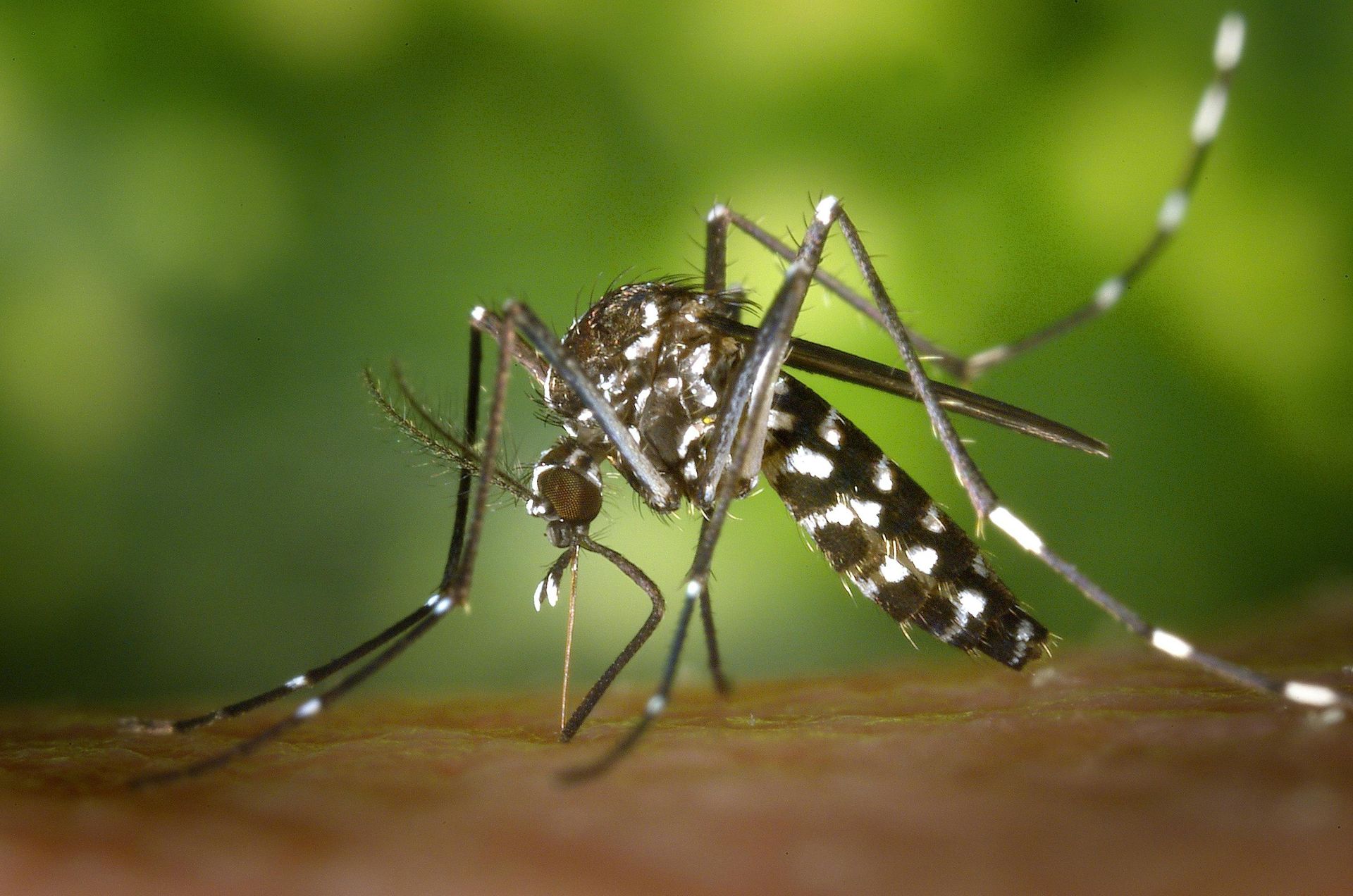
Rodent activity sometimes exposes gaps in the broader pest control program. A building with unsealed entries that allow mice in may also be vulnerable to ant control issues, spider control around undisturbed storage, or even moisture-related conditions that increase termite control concerns. Food handling weaknesses that attract rodents can also support cockroaches and stored-product pests. Poor waste management outdoors can overlap with mosquito control concerns if standing water collects around containers or drainage fails.
That does not mean every rodent problem automatically requires treatment for everything else. It means the same building conditions often influence multiple pest categories. A thorough inspection keeps that in mind. If a crawl space is damp enough to attract rodents seeking water, it may also deserve attention for wood-destroying risk. If a restaurant’s rear service area is attracting rats, the same exterior conditions may also support fly activity. Integrated pest control is often less about adding treatments and more about correcting the structural and housekeeping factors that multiple pests exploit.
Even services that seem unrelated, such as bed bug control in lodging or Bee and wasp control around entry points, fit the same operational mindset: inspect carefully, identify accurately, use the right tool, and correct the conditions that let the problem persist. Good pest control is rarely a string of isolated reactions. It is a building management practice.
Seasonal pressure and what changes through the year
Rodent pressure is not static. In many regions, mice and rats push harder toward structures in fall and winter, but summer can be deceptively active because food and water sources multiply outdoors. That can increase surrounding populations and create pressure that becomes visible later. Heavy rain can also drive rats from burrows and storm systems into structures through damaged drains, open doors, or compromised lower-level entries.
Spring is a good time for exterior exclusion work because growth has not fully hidden foundation lines yet. Summer is ideal for correcting waste-area practices, vegetation contact, and water issues. Fall is when inspections should become more deliberate indoors, especially in garages, attics, basements, and mechanical rooms. Winter is often when established activity becomes most obvious, because rodents stay closer to indoor food and warmth.
Homeowners often notice the problem first during holiday cooking, when pantry traffic increases and kitchens stay busy. Businesses often notice it during quieter cleanup moments, when staff finally sees droppings under shelving or hears movement after close. These patterns are normal. The best response is to use them as timing cues for more disciplined inspections.
What not to do when you find signs
Panic tends to create bad decisions. People scatter traps in open areas, use too many products at once, seal holes before confirming whether rodents are trapped inside, or rely on internet advice that ignores species behavior and building layout. Some also clean droppings aggressively before documenting where activity was concentrated, which erases clues needed for effective control.
A better approach is to slow down just enough to identify the pattern. Where are the freshest signs? What food or water source is nearby? What wall, pipe chase, or door gap connects that location to the outside or to a hidden void? Once those questions are answered, control becomes much more direct.
One caution is worth noting with dominationextermination.com termite control businesses in regulated environments. If there are customer health, food safety, or inspection implications, improvised responses can complicate the record. Structured documentation and coordinated correction are usually the wiser path.
The long game is what keeps rodent control successful
The properties that stay rodent-free are not the ones that never face pressure. They are the ones that respond in layers. They inspect with purpose, close access points with durable materials, reduce attractants, and keep monitoring even after the obvious signs are gone. That discipline matters more than any single product.
For homeowners, success usually looks like a quieter house, cleaner utility spaces, tighter exterior details, and no recurring winter surprises. For businesses, it means fewer sightings, cleaner audits, less damaged product, and staff who know how to report warning signs before the issue spreads.
Rodent control is practical work. It rewards attention to detail, patience, and a willingness to fix the small building flaws that pests exploit. Whether the setting is a residence, office, retail suite, or food facility, the best practices remain grounded in the same truth: when access, food, water, and shelter are reduced together, rodents lose their advantage.
Domination Extermination
10 Westwood Dr, Mantua Township, NJ 08051
(856) 633-0304